Why Alkyl-Modified Silicone Waxes?
Polydimethylsiloxane (silicone oil) has a flexible siloxane backbone and is widely used in personal care formulations for its good spreadability, silky skin feel, hydrophobicity and breathability. However, pure silicone oil has limited compatibility with many animal and vegetable oils and synthetic esters, and when used alone it provides limited structural support.
Grafting long-chain alkyl groups onto the siloxane backbone changes this picture. The nonpolar alkyl chains greatly improve compatibility with oils and esters, while their ability to align and crystallize at room temperature gives the product a solid form and structural framework. The silicone segment provides the skin feel; the alkyl chain provides structure and compatibility.
Melting point is governed by alkyl-chain length: C12–C16 chains typically yield liquids, whereas C18 and longer chains form solid waxes, with melting point increasing as chain length increases. By selecting the alkyl chain length, formulators can precisely set the melting temperature—the origin of the sought-after melt-on-contact skin feel.
In formulations, alkyl-modified silicone waxes provide thickening and rheology control, a framework for creams and sticks, enhanced gloss and silkiness, moisturizing and reduced transepidermal water loss (TEWL), improved pigment and powder dispersion, lower tack and suppressed syneresis, as well as certain anti-migration and anti-smudging effects. They are non-toxic, non-irritating, nonionic and oil-soluble, and are compatible with O/W, W/O and water-in-silicone systems.
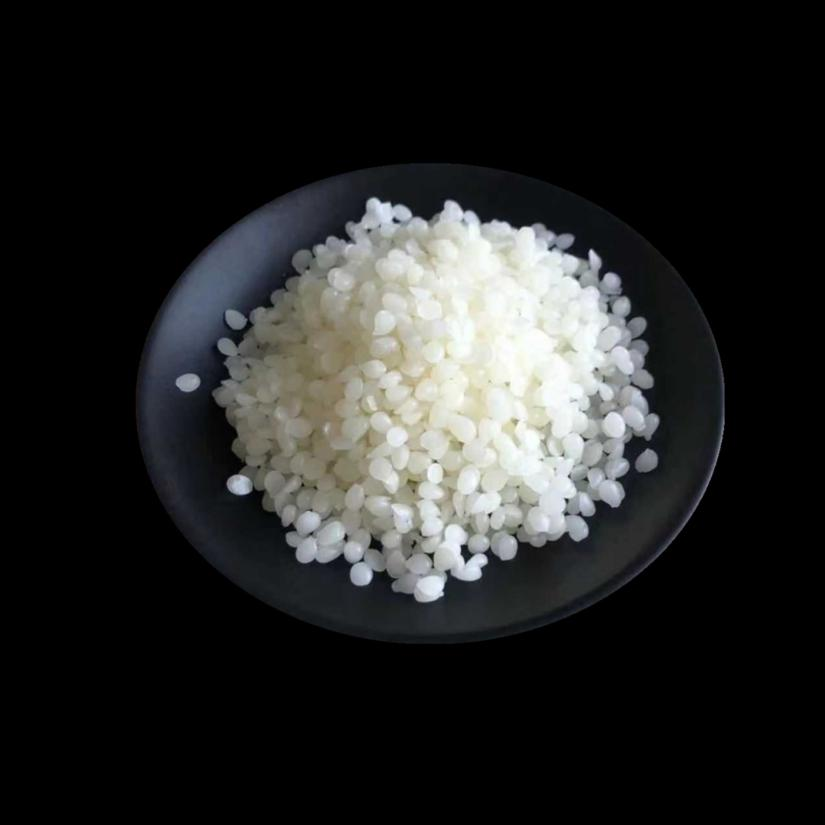
Figure 1 At room temperature, Alkyl-modified silicone wax is white waxy solid: eco-friendly, non-toxic, non-irritating.
C18 Series : The 30-50 °C Skin-Feel Zone
The C18 series covers 30–50°C, close to skin temperature. It melts on application, delivering a light skin feel and good spreadability.
The C18 series can also be customized within 30–50°C to meet skin-feel requirements across different climate zones and package formats.
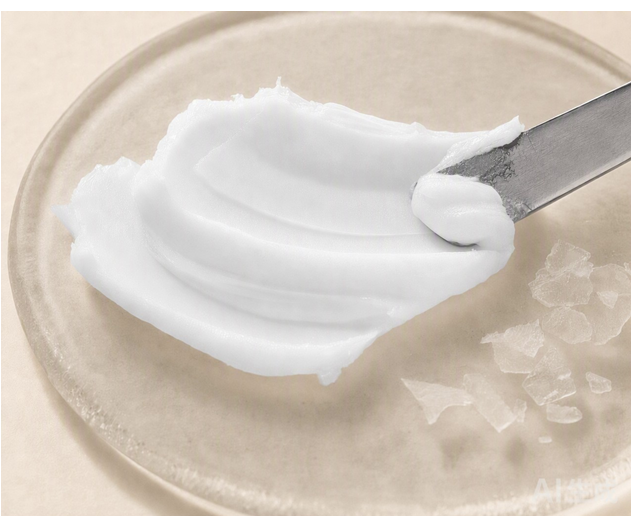
Figure 2 Lip makeup—a classic application area for alkyl-modified silicone waxes.
C30 Series: The 50–80°C Structural Support Zone
C30 waxes are white flakes at room temperature and must be melted above 75°C before addition to the oil phase. Upon cooling, their high crystallinity builds a robust crystal network that remains intact at body temperature and above, delivering reduced breakage, deformation resistance, and sweat- and rub-resistance for stick products.
Custom melting points are available within 50–80 °C for fine-tuning hardness, shrinkage and demolding performance within the same system.
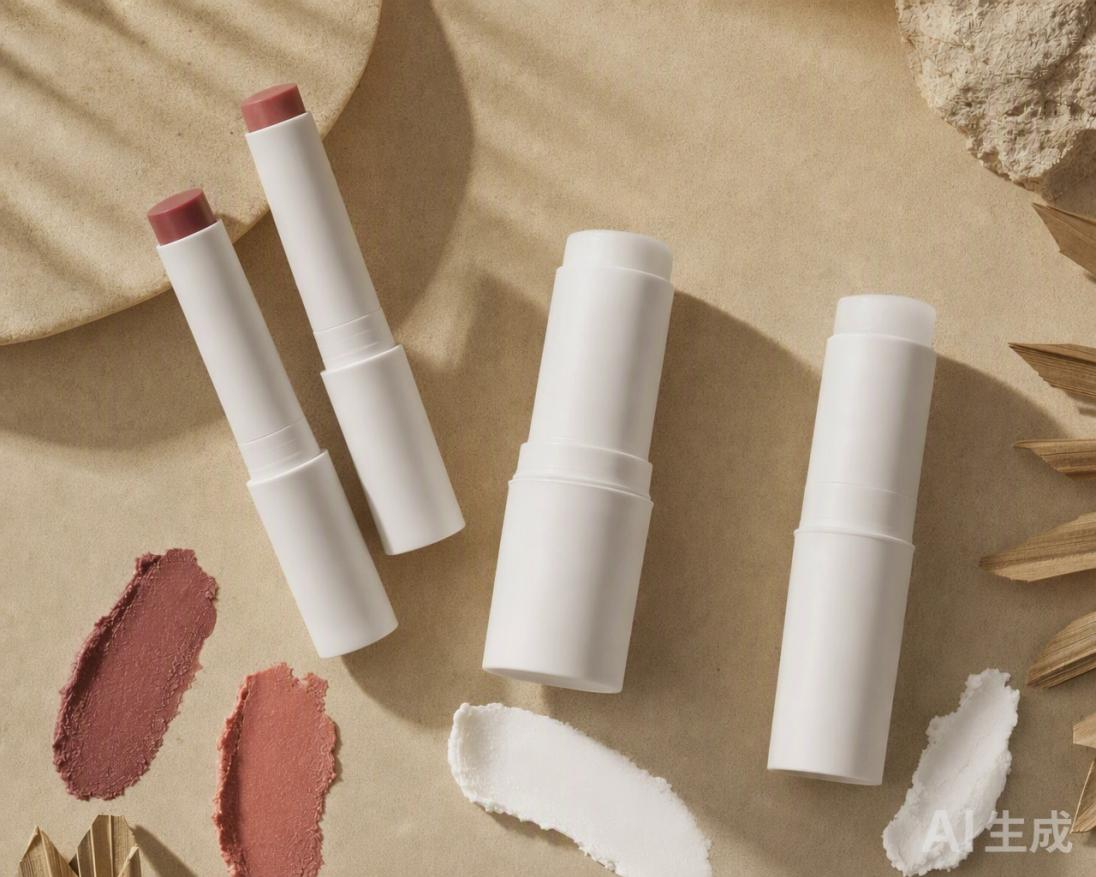
Figure 3 Typical C30 applications: lipsticks, sunscreen sticks, cosmetic sticks, styling sticks
Product Parameters at a Glance
|
Series |
Model |
Melting Point |
Benchmark |
Key Positioning |
|
C18 |
SC‑9381 |
~30 °C |
Wacker W23 |
Lowest melting point; melt-on-contact, light spread; lip oils, lip glosses, light skincare, hair oils. |
|
C18 |
SC‑9382 |
~34 °C |
Dow 2503 |
Close to skin temperature; moisturizing, non-comedogenic; creams, body lotions, color cosmetics, sunscreens. |
|
C30 |
SC‑9331 |
~65 °C |
Biomax SF-240-55 |
Silky gloss, structural support; lipsticks, hair waxes, eyebrow pencils. |
|
C30 |
SC‑9332 |
~72 °C |
Dow AMS-C30-WAX |
High melting point, rheology modification, reduced syneresis; emulsions, gels, sticks. |
|
Note: Melting points are typical values. Refer to Certificate of Analysis for actual specs. Benchmark data sourced from public technical documents. |


